Referral Workflow Design: The Fastest Way to Increase Physiotherapy Referrals
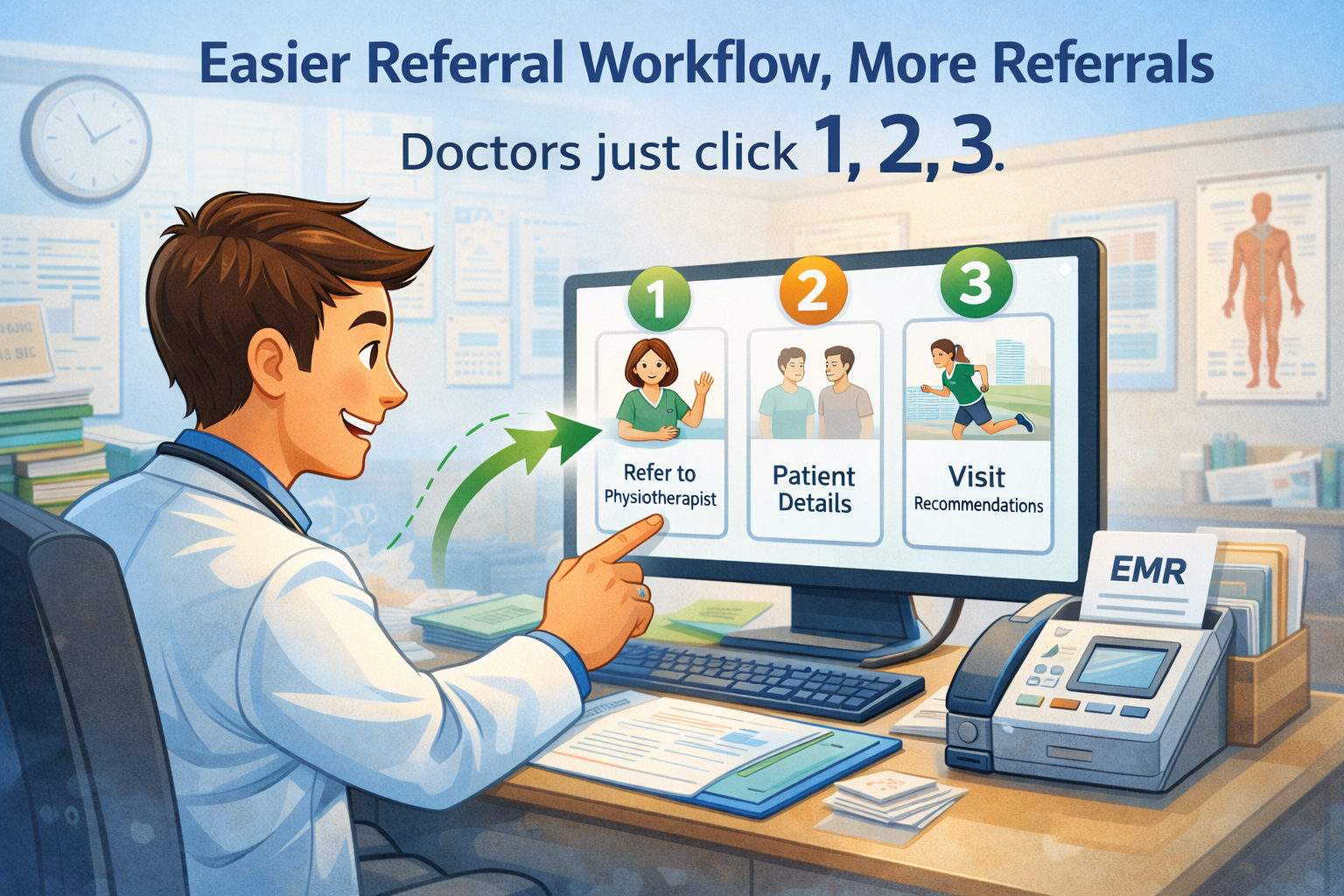
If you want more referrals from family physicians, sports medicine clinics, nurse practitioners, and other healthcare providers, start with one simple question:
Most physiotherapy clinics and allied health professionals focus on marketing, websites, signage, and patient experience. Those things matter. But many overlook one of the most practical growth levers available: a clean, crisp, professional referral workflow.
If your referral form is messy, hard to complete, missing structure, or inconvenient for physicians’ offices to use, you are likely losing referrals every month without realizing it.
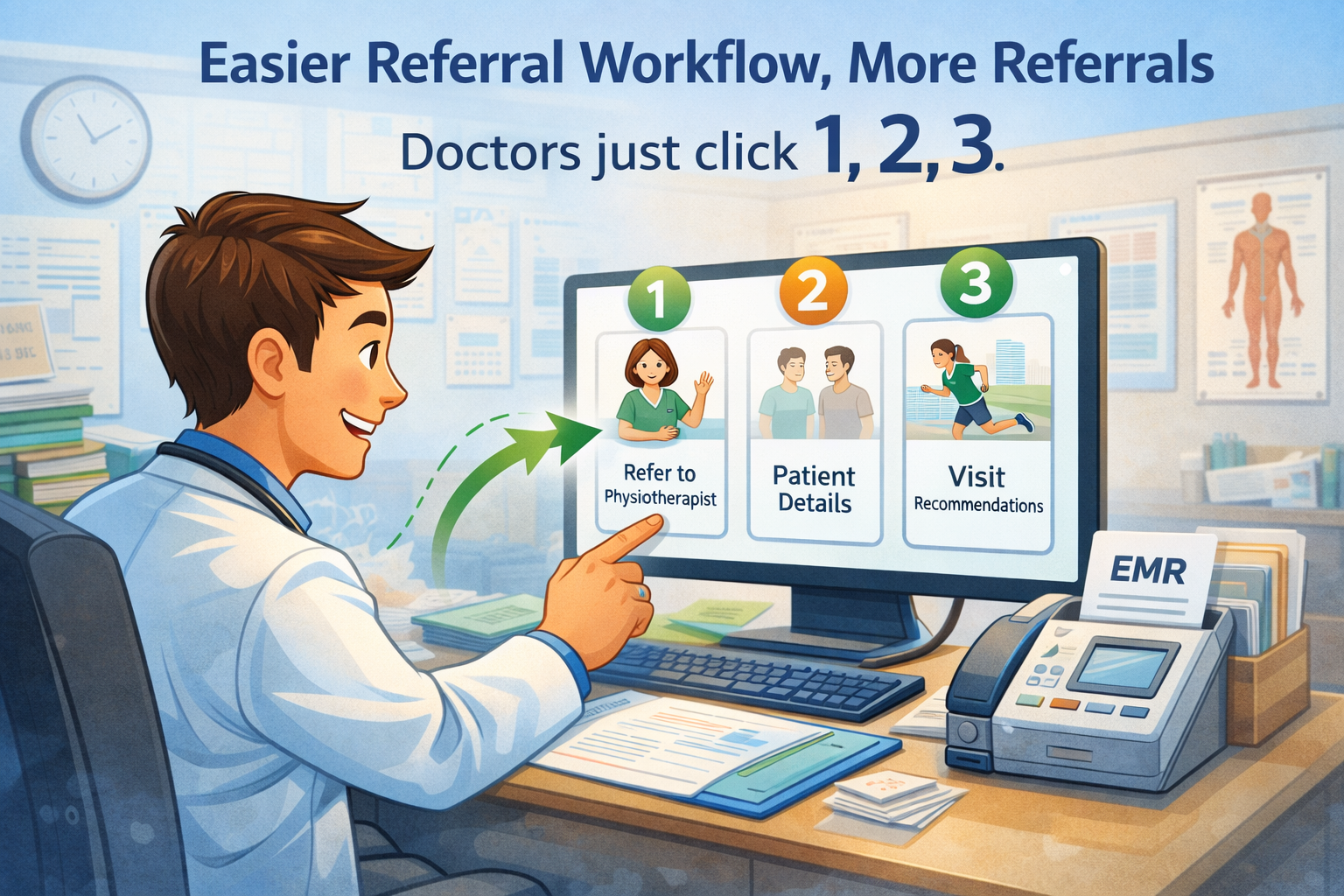
Why Referral Workflow Design Matters
Doctors’ offices are incredibly busy. Family physicians, nurse practitioners, specialists, and their medical office staff are under pressure all day. They are moving quickly, handling constant interruptions, managing phone calls, reviewing results, and helping patients with limited time.
In that environment, ease matters.
If one clinic has a professional, easy-to-use referral form and another has a clunky or confusing process, the easier clinic often wins. Not because it necessarily delivers better care, but because it fits into the physician office workflow more naturally.
That is the real-world value of referral workflow design. For clinics also using custom EMR workflows, a cleaner document structure pairs naturally with custom EMR forms and better intake consistency.
The Easiest Clinic to Refer To Often Gets the Referral
Referring offices are not looking for more work. They are looking for a clean, reliable process that saves time and helps them move on to the next patient. A strong referral workflow helps your clinic become the path of least resistance. That can mean:
- more forms submitted correctly the first time
- less back-and-forth with physician offices
- fewer incomplete referrals
- faster intake for your clinic team
- more confidence from referral sources
The Hidden Cost of a Weak Referral Form
A weak referral form can quietly cost your clinic real money. If a referral source struggles to find your form, understand your requirements, or complete the document quickly, they may delay the referral — or choose another clinic altogether.
For many allied health clinics, the lost revenue from just one missed referral is meaningful. If that patient would have attended an assessment and returned for follow-up visits, the value adds up quickly.
In practical terms, just one extra referral can often make the cost of improving your referral workflow worthwhile. In many cases, three patient visits alone can make the investment cash-flow positive.
What Makes a Referral Form More Effective?
A strong physiotherapy referral form or allied health referral form should feel simple and polished. It should be easy to scan, understand, and send. Some of the most effective referral forms share these qualities:
- Clear layout with logical sections and good spacing
- Professional appearance that reflects a credible healthcare service
- Minimal friction with only the most necessary fields
- Clean branding so referring providers know exactly where the patient is going
- Fax-friendly and print-friendly formatting
- EMR-compatible design where appropriate
- Concise instructions that reduce hesitation or confusion
Small design details matter. The more intuitive and polished the form looks, the more likely an overworked office will actually use it. If your clinic is still working from static PDFs, even a modest upgrade through a form conversion service can make the referral process noticeably smoother.
Professional Design Builds Trust
A crisp, well-designed referral form does more than save time. It signals professionalism.
When your referral form looks clean and organized, it tells physicians and office administrators that your clinic is structured, detail-oriented, and easy to work with. That trust matters, especially when they are deciding where to send patients.
A referral form is not just a document. It is often the first operational impression your clinic makes on another healthcare provider.
Who Should Invest in Referral Workflow Design?
Referral workflow design is valuable for almost any clinic that depends on incoming referrals, including:
- physiotherapy clinics
- chiropractic clinics
- massage therapy clinics
- occupational therapy clinics
- speech language clinics
- mental health clinics
- multidisciplinary allied health clinics
- specialty healthcare services that rely on physician referrals
If your growth depends in any way on external providers sending patients your way, your referral workflow deserves attention.
Why This Is Better Than Spending More on Ads
Many clinics spend money trying to get attention online but fail to improve the system that actually converts professional referrals into patient bookings.
Referral workflow design improves an existing channel. Instead of hoping strangers discover your clinic through advertising, you make it easier for healthcare professionals who already want to refer to actually follow through. In many cases, this is one of the highest ROI improvements a clinic can make.
Simple Example of Immediate ROI
If upgrading your referral form leads to just one additional referral from a local physician, and that patient attends an assessment plus a small number of visits, you may already be ahead financially. That is why many clinic owners find this kind of investment so compelling:
- low complexity
- practical implementation
- faster adoption by referral sources
- measurable upside with very little delay
How to Improve Your Referral Workflow
Improving your clinic’s referral workflow does not need to be complicated.
- Review your current referral form from the perspective of a busy doctor’s office.
- Remove anything unnecessary or confusing.
- Improve the visual layout so it looks cleaner and more professional.
- Make sure the form is easy to fax, print, and share.
- Consider EMR-friendly formatting where it makes sense.
- Ensure your contact details and submission instructions are obvious.
- Test the form with a real clinic administrator or MOA if possible.
Even modest refinements can create a better experience for referral sources and a smoother intake process for your team. Clinics that want to discuss a specific referral form, intake process, or workflow issue can contact Smart Clinic Systems for a practical review.
Referral Workflow Design Is a Growth Tool
A well-designed referral form is not just admin cleanup. It is a business growth tool. It helps your clinic:
- earn more physician trust
- improve referral source adoption
- reduce intake friction
- increase patient volume
- support better cash flow
For physiotherapists and allied health professionals, this can be one of the most practical investments you make.
Ready to make your clinic easier to refer to?
Explore our referral workflow support and see how a cleaner, more professional referral form can help your clinic earn more referrals from the physicians and offices already in your network.
View Referral Workflow Design Services →
Frequently Asked Questions
What is referral workflow design?
Referral workflow design is the process of making it easier for physicians and medical office staff to refer patients to your clinic. It includes improving referral forms, reducing friction, streamlining required information, and making the process faster and more professional.
Why does a clean referral form help generate more referrals?
A clean referral form helps generate more referrals because busy doctors’ offices are more likely to use forms that are simple, clear, and quick to complete. When your clinic is easier to refer to, it often becomes the preferred option.
How quickly can a better referral form pay for itself?
In many clinics, the return on investment is almost immediate. Just one additional referral or as few as three patient visits can make the cost of improving your referral workflow cash-flow positive.
Who benefits from referral workflow design?
Physiotherapy clinics, chiropractors, massage therapy clinics, occupational therapy clinics, speech therapy clinics, mental health clinics, and other allied health professionals can all benefit from referral workflow design.
Can Smart Clinic Systems help improve referral forms for EMR use?
Yes. Smart Clinic Systems helps clinics improve referral forms and workflows, including creating cleaner, more professional, EMR-friendly forms that reduce administrative friction and support better physician adoption.